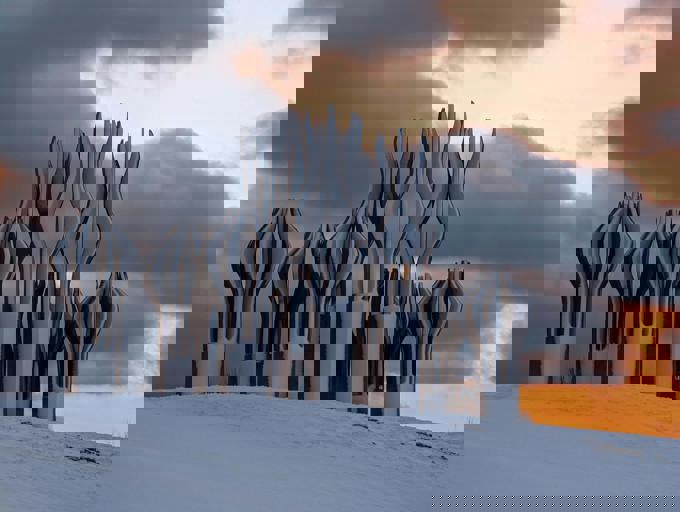
In the heart of downtown, the city’s public spaces are experiencing a vibrant transformation thanks to a wave of interactive art installations. These new additions are hard to miss: colourful sculptures, immersive murals, and playful displays have begun popping up along key corridors, inviting both locals and visitors to engage in novel ways. The initiative, spearheaded by a coalition of local artists and city planners, aims to breathe new life into familiar streetscapes and foster a stronger sense of community.
At the core of this movement is the belief that art should be experienced, not just observed. “Interactive art has the power to break down barriers,” says Emily Tran, one of the featured artists behind this initiative. “When people are invited to touch, move, or even alter the artwork, it sparks conversations and connections that might not otherwise happen.” These installations are intentionally designed to encourage participation, from spin-able kinetic sculptures to digital projections that react to passersby.
One particularly popular installation this season is the ‘Wishing Tree,’ a large metal framework covered in handwritten notes and ribbons contributed by residents. As pedestrians stroll by, they are encouraged to add their own hopes and dreams to the installation. “It’s about weaving individual stories into the fabric of the city,” explains project coordinator Joshua MacLeod. The Wishing Tree has quickly become an emotional focal point, drawing crowds and conversation.
Beyond fostering social interaction, these art installations are also revitalizing the local economy. Downtown cafés and small businesses have reported significant upticks in foot traffic since the installations debuted. According to the Downtown Business Improvement Area, some shops are seeing increases of up to 15 percent in sales on weekends. The installations have also become a draw for tourists, who often share their experiences on social media, further boosting the area’s profile.
Safety and accessibility have been major considerations in the planning of these installations. City planner Michelle Lee describes a rigorous selection process where each piece is evaluated not only for artistic merit but also for its suitability in a busy urban environment. “We worked closely with accessibility advocates to ensure every installation can be enjoyed by people of all ages and abilities,” Lee emphasizes, noting features like tactile elements and braille plaques incorporated into several works.
Community engagement has been essential at every step. Organizers hosted a series of open workshops and public forums to solicit feedback and ideas from residents, resulting in art that reflects the city’s diverse cultures and histories. “We wanted everyone to see themselves in these pieces,” says artist Yusuf Ahmed, whose interactive mosaic bench incorporates tile designs submitted by children from local schools. The collaborative approach has strengthened a sense of ownership and pride among participants.
The response from the public has been overwhelmingly positive. Families, students, and seniors alike can be seen interacting with the installations at all times of day. Social media platforms are abuzz with photos and personal stories, with hashtags like #DowntownArtTrail gaining popularity. “It’s wonderful to see people lingering and making memories in spaces they used to just pass through,” notes business owner Sandra Li, who credits the project with making the downtown core feel more welcoming.
Looking ahead, the city’s arts council is already planning to expand the program, with new installations in the works and possible collaborations with Indigenous artists and community groups. There is hope that this momentum will make interactive public art a permanent fixture of city life, inspiring other neighbourhoods to embrace creativity and connection. As residents continue to engage with these ever-evolving artworks, downtown’s transformation promises to be both lasting and profound.